
Perhaps you’ve already heard of leaky gut syndrome (LGS), or maybe intestinal permeability?
This common yet little-understood condition refers to a disruption of the digestive mucosa—in other words, the intestinal wall. Normally, this lining acts as a selective barrier, allowing essential nutrients to pass into the bloodstream while blocking toxic molecules. But in some cases, the lining no longer functions as a selective barrier and allows unwanted substances to enter, triggering an inflammatory reaction and a cascade of health issues throughout the body.
In this article, we explore the physiological mechanisms of leaky gut syndrome, its causes, and its physical manifestations. We also review diagnostic methods and the steps to take to restore the intestinal barrier and reestablish digestive health.
What is leaky gut?
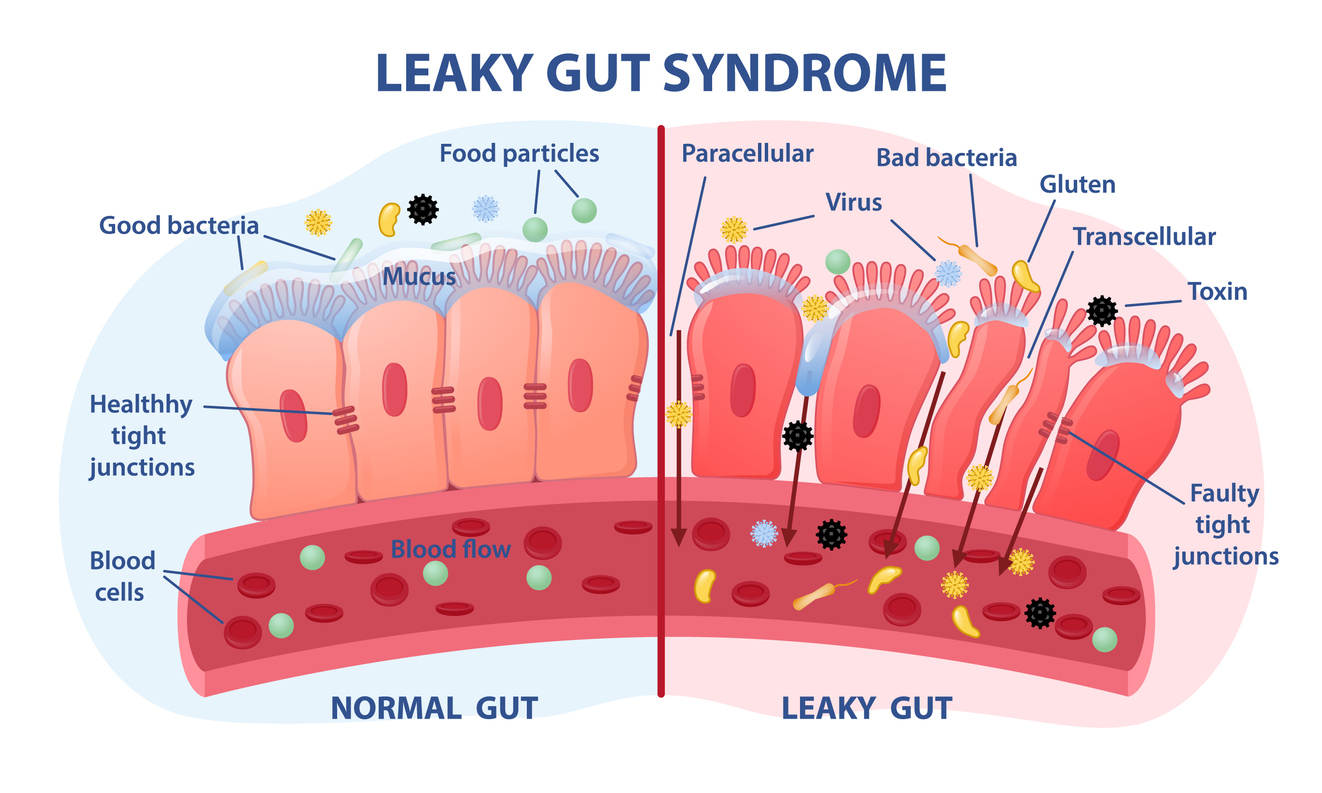
Intestinal permeability refers to the ability of the intestinal wall to allow nutrients to pass from the digestive tract into the bloodstream while blocking harmful substances(1). When functioning normally, this selective barrier protects the body, but when it is compromised, it becomes abnormally permeable and allows toxins (bacteria, microbes, undigested food particles, inflammatory molecules, etc.) to seep through. This process is called leaky gut syndrome.
Physiological mechanisms of leaky intestines
Intestinal permeability disturbances results from a cascade of events: damage to the mucosa (the factors contributing to which we discuss later) causes the tight junctions that form the intestinal barrier to open, allowing toxic molecules to pass into the bloodstream and triggering an immune and inflammatory response with multiple health consequences. Here we outline this chain reaction in general terms.
Tight junctions and their role
Tight junctions are protein complexes located between the cells of the intestinal wall (enterocytes). Their role is to ensure the cohesion and integrity of the intestinal mucosa.
In reality, these junctions are not completely impermeable: they act as selective filters by controlling the passage of water, ions, and nutrients into the bloodstream, while blocking harmful substances.
These junctions are composed of three major proteins: occludin, claudins, and zonula occludens (notably ZO-1). By binding the cells of the intestinal wall together, they play a major role in the function of the intestinal barrier.
The role of zonulin in the opening of junctions
Zonulin is a regulatory protein that modulates the opening of tight junctions between intestinal cells(2). Secreted by these same cells (enterocytes) in varying amounts depending on physiological needs, it acts as a chemical messenger by binding to specific receptors on the cell surface, triggering a series of intracellular signals that open the intercellular junctions.
Under physiological conditions, this mechanism is normal, reversible, and transient, allowing for the targeted absorption of nutrients. However, the mechanism becomes pathological in cases of persistent overproduction of zonulin. The intercellular spaces remain permanently open, creating abnormal gaps between cells. The intestine then becomes hyperpermeable, allowing substances that should have remained in the intestine to enter the bloodstream. Excess zonulin production can result from:
- Dysbiosis (an imbalance in the gut microbiota);
- Gluten consumption in susceptible individuals;
- Chronic inflammatory conditions.
Inflammation and pro-inflammatory cytokines
The systemic entry of undesirable substances into the bloodstream triggers a chain reaction of inflammation that further compromises the integrity of the intestinal barrier. This infiltration sets in motion a multi-step pathological process:
- Liver overload: The liver attempts to filter and eliminate these toxins via the bile and kidneys, but, overwhelmed by this uninterrupted flow, it neutralizes only a portion of them.
- Immune response: The immune system detects these harmful particles and releases large amounts of pro-inflammatory cytokines. Normally, these proteins are responsible for increasing the permeability of blood vessels to allow immune cells and antibodies to pass through. However, when faced with a continuous flow of toxins, they break down the intercellular junctions and allow even more toxins to pass through.
- Chronic inflammation: These cytokines alter cell junctions, increasing permeability and sustaining low-grade inflammation.
- Autoimmune reactions and allergies: When overactive, the immune system triggers food intolerances and may attack healthy tissue through molecular mimicry.
Various healthcare professionals believe that intestinal permeability is both a cause and a consequence of many digestive, immune, metabolic, and autoimmune diseases. In fact, it is thought to play a role, for example, in the onset or progression of rheumatoid arthritis, lupus, Crohn’s disease, multiple sclerosis, fibromyalgia, and Hashimoto’s thyroiditis.
What causes leaky gut syndrome?
Leaky gut results from several environmental, dietary, and physiological factors.
An unbalanced and pro-inflammatory diet
Highly processed foods, loaded with sugar, fats(3), refined flour, artificial colors, and preservatives, promote inflammation and disrupt the balance of the gut microbiota, thereby impairing the barrier function that is supposed to prevent intestinal hyperpermeability.
Chronic infections
Infections caused by intestinal parasites, Candida overgrowth, and bacterial overgrowth in the small intestine also contribute to inflammation and an imbalance in the gut microbiota—both of which are responsible for intestinal hyperpermeability.
Medication use
Excessive use of medications, particularly antibiotics and nonsteroidal anti-inflammatory drugs (NSAIDs), increases intestinal permeability by disrupting the gut microbiota and impairing tight junctions in particular.
Exposure to chemicals and environmental toxins
Regular exposure to heavy metals, alcohol, pesticides, or various chemicals also contributes to leaky gut.
Chronic stress
Exposure to repeated or persistent stress causes the immune system to operate at full capacity. As noted above, immune overactivation increases intestinal permeability, which leads to inflammation.
Nutrient deficiencies
Zinc is a trace mineral essential for maintaining the integrity of the intestinal barrier. A zinc deficiency can therefore compromise the organization of tight junctions, making the intestine more permeable. Various studies show that zinc supplementation, by optimizing mucosal integrity, immune response, and inflammation regulation, may be beneficial in cases of Crohn’s disease.
What are the signs of a leaky gut?
The signs of a leaky gut are numerous and varied. While it’s natural to think first of digestive disorders, it’s important to know that this syndrome can affect other systems in the body, such as the immune system or the skin, for example.
Digestive signs
The first symptoms of leaky gut syndrome often manifest in the digestive system. In fact, gas, bloating, abdominal pain, and diarrhea are the most common signs.
Associated signs (skin, immune, neurological, etc.)
Untreated or inadequately treated intestinal hyperpermeability causes inflammation that can spread and lead to a host of non-digestive issues:
- skin symptoms: acne, rosacea, psoriasis, etc.;
- neurological and emotional symptoms: headaches, insomnia, depression, anxiety, etc.;
- immune system symptoms: frequent susceptibility to seasonal illnesses, food allergies, excessive fatigue, etc.;
- joint and muscle symptoms: muscle aches, joint pain, etc.L’intestin perméable comme facteur aggravant d’autres pathologies
Leaky gut as a contributing factor to other conditions
LGS is both a consequence of and a contributing factor to health disorders. In fact, it is found in several inflammatory and autoimmune conditions. Inflammation caused by intestinal permeability can worsen Crohn’s disease, irritable bowel syndrome, Hashimoto’s thyroiditis, lupus, celiac disease(4), type 1 diabetes(3), gastroesophageal reflux disease, and other conditions. Due to poor nutrient absorption, it may also lead to nutritional deficiencies.
How is it diagnosed?
A diagnosis of gut syndrome is based on clinical signs and additional tests. Most often, it is suspected if the person complains of recurrent abdominal pain and based on the frequency and consistency of stools. Since digestive symptoms are nonspecific, they alone are not sufficient to confirm intestinal permeability. In some cases, additional tests are required to assess the condition of the intestinal barrier, intestinal inflammation, or the balance of the microbiota.
There are various tests and examinations:
- A blood test can be used to measure the blood levels of certain biomarkers of an impaired intestinal barrier or an inflammatory response (LPS, LBP, I-FABP, zonulin, Candida-type fungi).
- Stool and urine analyses can provide information on the state of the gut microbiota, the function of the intestinal barrier, and the presence of potential markers of inflammation, particularly calprotectin.
- Histopathology (microscopic examination of a tissue sample, typically obtained via biopsy during an endoscopy) allows for assessment of the condition of the intestinal mucosa and detection of any abnormalities: epithelial cell lesions, inflammation, or alterations in tight junctions.
- Imaging techniques, such as colonoscopy, capsule endoscopy, and confocal laser endomicroscopy, also allow for examination of the intestine, particularly the small intestine.
Which healthcare professional should you see?
The diagnosis of leaky gut syndrome is not based on a single isolated marker and often requires several tests.
- The first healthcare professional to consult is your primary care physician. They can rule out underlying conditions recognized by conventional medicine, which often explain the symptoms attributed to leaky gut. They may also order blood tests.
- If symptoms persist, your doctor may refer you to a gastroenterologist, a specialist in the digestive system. The gastroenterologist can perform additional tests (such as an endoscopy) to make a more precise diagnosis.
- Since diet plays a central role in managing digestive disorders, consulting a nutritionist or dietitian is always helpful.
Is LGS medically recognized?
Although leaky gut syndrome is a recognized, documented, and measurable biological phenomenon, there is no consensus in conventional medicine regarding its recognition as a distinct disease.
Indeed, it is recognized that this alteration of the intestinal mucosa is clearly associated with conditions such as celiac disease, Crohn’s disease, or certain gastrointestinal infections. However, “leaky gut syndrome” is not currently considered a standalone diagnosis or the direct cause of various disorders, due to the lack of standardized diagnostic protocols and formal evidence establishing this direct cause-and-effect relationship.
However, functional and nutritional medicine fully incorporates this concept. It relies on biological markers and compelling clinical findings to offer targeted treatment plans.
Today, scientific research is actively ongoing to clarify the exact mechanisms involved, validate reliable biomarkers, and provide a clear clinical framework shared by the entire medical community.
How can you improve intestinal permeability?
There are no specific treatments for leaky gut. However, making lifestyle and dietary changes are excellent options. The common goal is to help alleviate digestive symptoms and restore the integrity of the intestinal barrier by reestablishing a healthy mucosal lining and a balanced microbiome.
Dietary and lifestyle guidelines
Simple guidelines for mealtimes can help reduce digestive symptoms associated with intestinal hyperpermeability(5):
- Maintain a regular schedule: Eat three meals a day at set times, without skipping any.
- Find the right balance: Eat until you’re satisfied, without overeating or depriving yourself, to avoid fatigue spikes or cravings.
- Take a real break: Eat in a calm environment, away from screens and work, to fully savor your meal.
- Take your time: Chew each bite thoroughly to aid digestion.
Foods to limit to reduce intestinal inflammation
In the absence of a confirmed gluten allergy or intolerance, no foods need to be completely eliminated from the diet. However, certain foods may increase inflammation and should therefore be limited(5-7):
- Gluten stimulates the production of zonulin; eliminating it is recommended in cases of diagnosed sensitivity, but simply limiting intake is sufficient in other cases;
- Foods that are too high in fat likely promote increased epithelial permeability,
- Products high in lactose (e.g., milk, yogurt) and fructose (e.g., honey, apples, pears, dates),
- Alcohol, caffeinated beverages (e.g., energy drinks, coffee), and carbonated beverages,
- Ultra-processed foods containing additives and preservatives (e.g., artificial sweeteners, emulsifiers),
- Certain vegetables and legumes that promote gas production (e.g., peas, dried beans, broccoli, cabbage, onions, bran).
Foods to prioritize to support the intestinal barrier
Conversely, certain foods should be regularly included in daily meals to help protect the intestinal lining(6):
- High-fiber foods (e.g., fruits and vegetables, legumes, nuts, whole grains), which help maintain a healthy gut microbiota;
- Foods with anti-inflammatory properties (e.g., coconut oil, extra-virgin olive oil, fatty fish,
- Fermented foods—such as sauerkraut, kefir, kombucha, pickles, and kimchi—which act as natural probiotics;
- Raw foods, which provide digestive enzymes that effectively break down food into small particles, optimizing digestion and nutrient absorption.
Dietary supplements to strengthen the intestinal barrier
Digestion dietary supplements, taken to address intestinal hyperpermeability, are designed to cleanse the intestine, repair its mucosa, and rebalance its microbiota. When used in conjunction with a varied diet, they help improve digestive comfort and support intestinal health. The main active ingredients used are:
- Probiotics are live microorganisms that help restore microbial diversity, which is often depleted in cases of leaky gut. By restoring this gut flora, they reduce inflammation and strengthen the gut’s barrier function, improving overall digestive comfort. Trust Lactobacillus and Bifidobacterium strains, which are the best-documented for restoring microbiota balance(5, 8).
- L-glutamine is an amino acid essential for maintaining intestinal mucosal cells; it thus helps repair the intestinal wall.
- Zinc contributes to normal protein synthesis, supporting the proper functioning of tight junctions. It thus helps maintain the structure and barrier function of the intestinal mucosa(9).
- Vitamins B2 and B3 help maintain a healthy intestinal mucosa, and vitamin D helps strengthen the barrier function and modulate intestinal immunity.
- Plants and plant-based antioxidants: peppermint and caraway for digestive discomfort and bloating; oregano, turmeric, and cinnamon for gut health; ginger for gastric function; pineapple for enzymatic activity; quercetin for its role in the immune response and inflammatory balance...
Supplements support gut health but are not a substitute for a varied and balanced diet and a healthy lifestyle. Follow the recommended daily dose and always check the contraindications before use.
Stress management and healthy lifestyle
Chronic stress overstimulates the hypothalamic-pituitary-adrenal (HPA) axis and increases the secretion of cortisol, the stress hormone, which impairs the intestinal barrier. To limit exposure to chronic stress, aim for more restful sleep, regular physical activity, and any type of relaxing activity (meditation, breathing exercises, outings with friends or family, etc.).
Medication
The medications recommended for intestinal hyperpermeability are intended solely to relieve digestive symptoms and are used only on an as-needed basis(5):
- Antispasmodics prevent the intestinal muscles from contracting: they relieve pain and bloating;
- Intestinal adsorbents bind excess water and gas: they relieve bloating and diarrhea;
- Laxatives to relieve constipation.
It is important to note that restoring normal intestinal barrier function does not cure gastrointestinal and autoimmune diseases associated with increased intestinal permeability. It is merely a contributing factor—not the sole cause—of these conditions, which require standardized medical treatment.
Synergia’s comprehensive digestive protocol
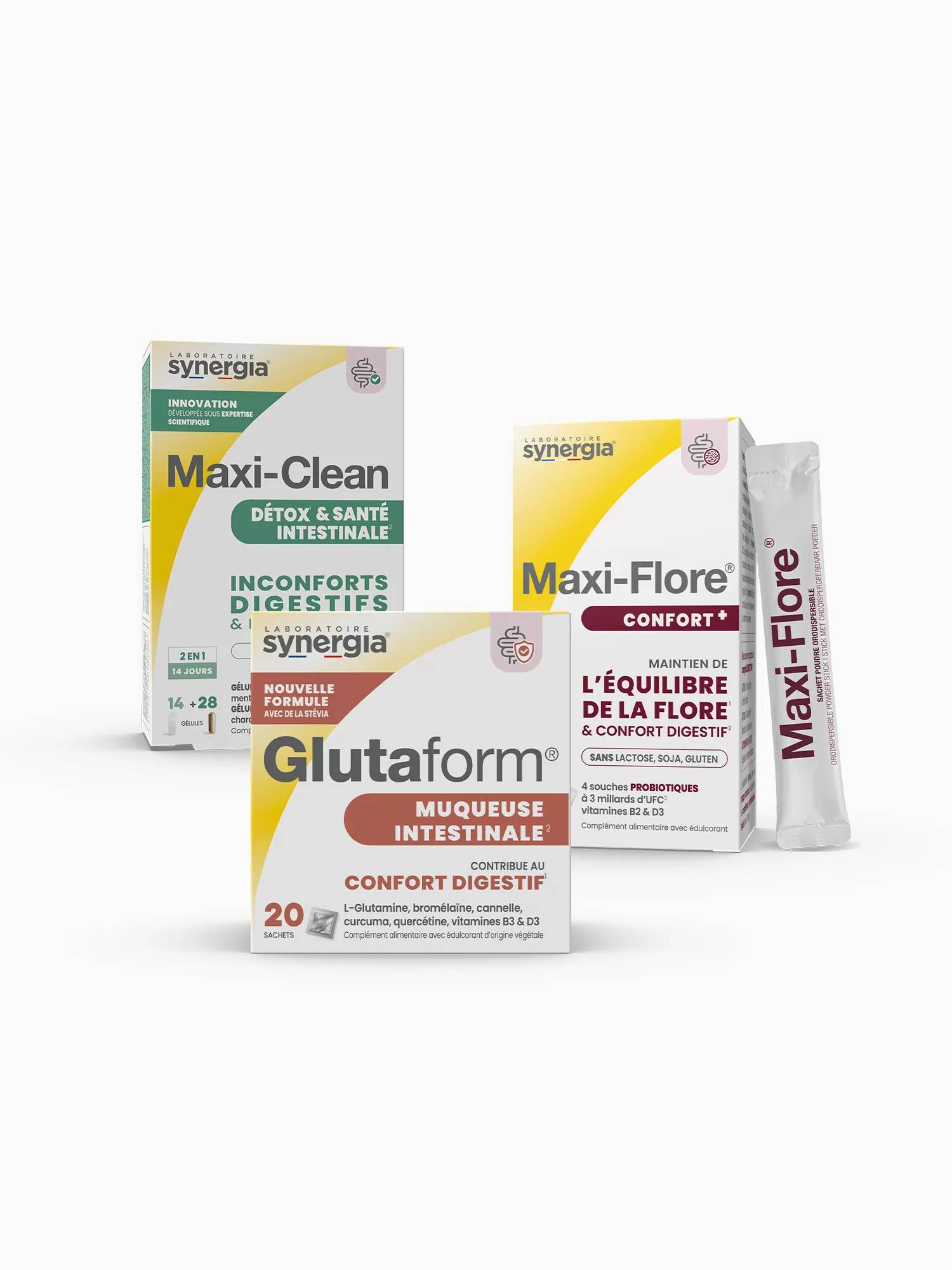
Which products should you choose? With which active ingredient? At what dosage? One ingredient or several? One supplement or several? For how long? Stop overthinking it. Switch to the Synergia’s comprehensibve protocol to restore healthy digestion: a turnkey program based on three dietary supplements, each formulated with the best active ingredients for digestion, precisely dosed, and easy to take. The three key principles: cleanse, repair, and rebalance.
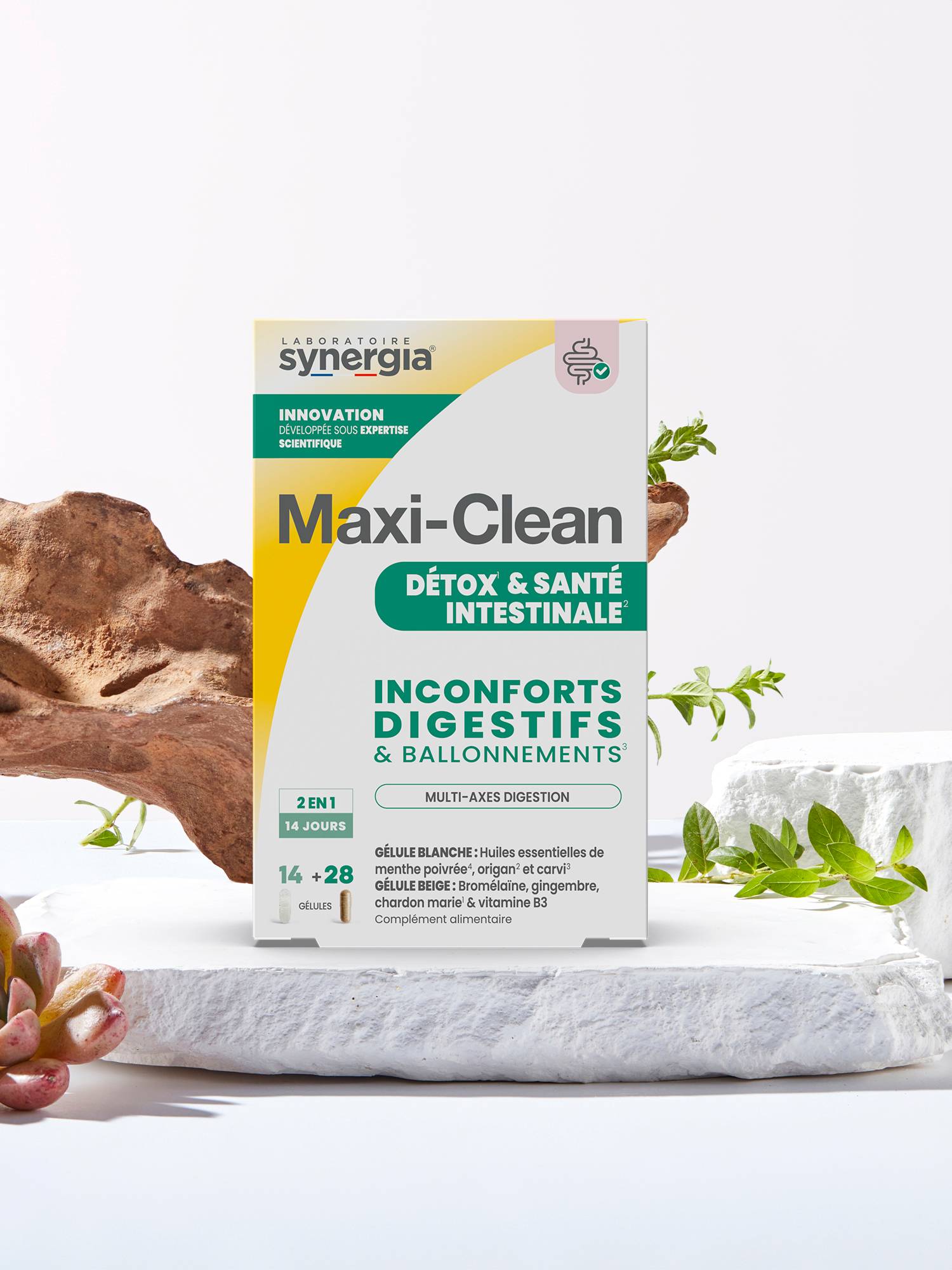
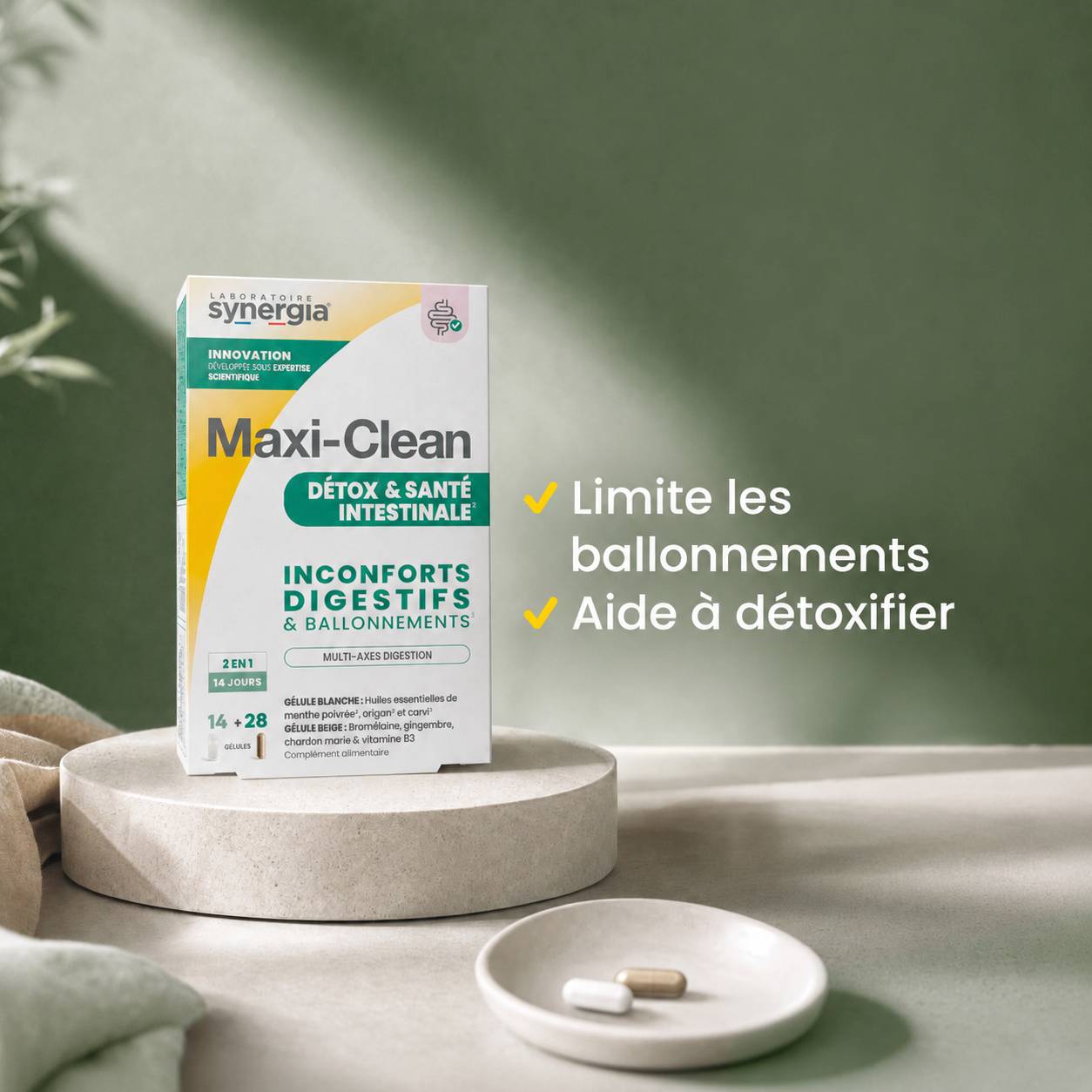
- First, cleanse the gut with Maxi-Clean Detox & Gut Health, capsules containing peppermint, oregano, and caraway essential oils, ginger, pineapple, milk thistle, and vitamin B3. A 14-day program.
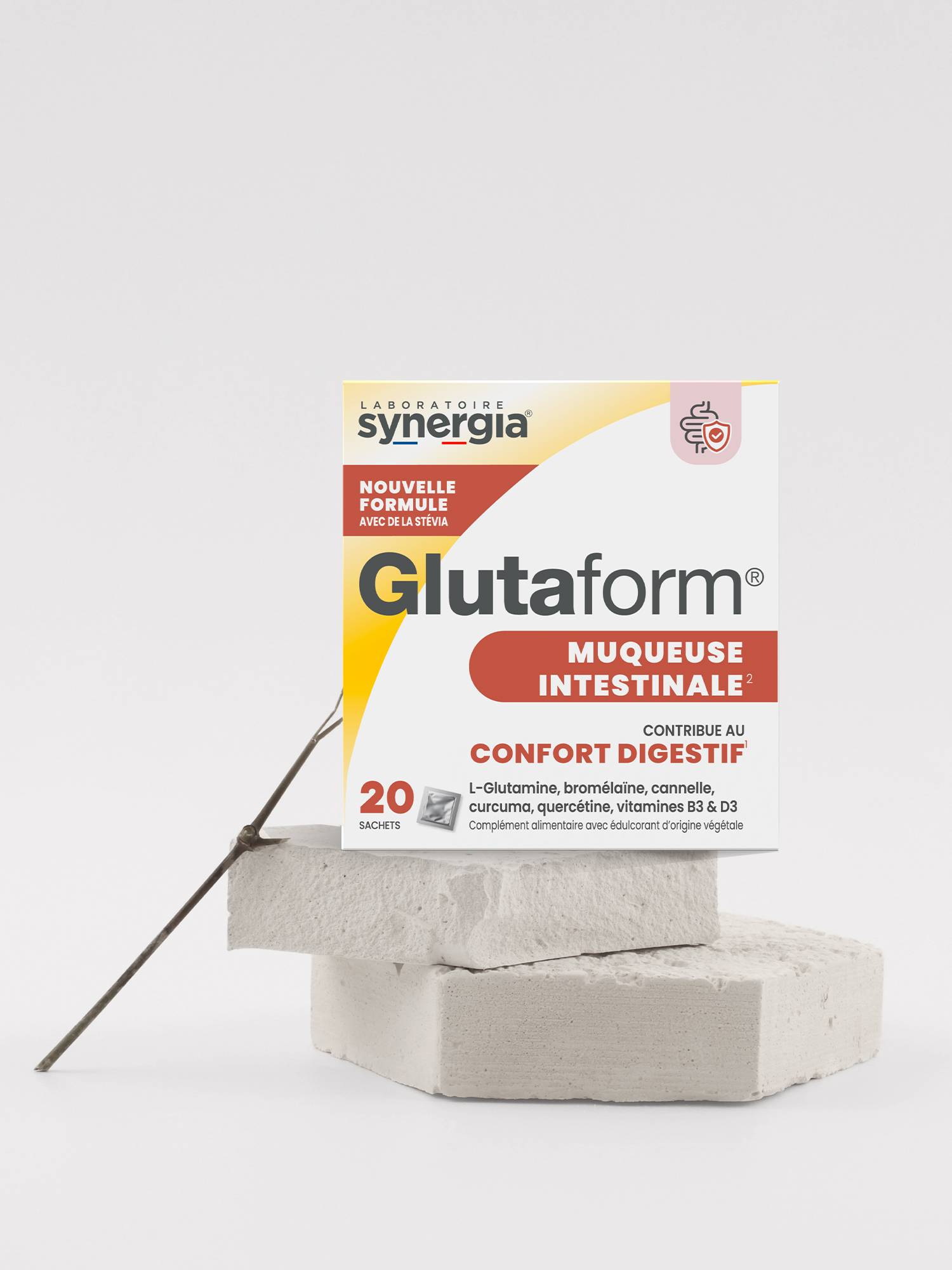
- Next, repair the intestinal lining with Glutaform Digestive Comfort, in dissolvable sachets—a blend of L-glutamine, pineapple, cinnamon, turmeric, quercetin, and vitamins B3 and D3. A 20-day program, ideally repeated for up to 3 months.
- Finally, rebalance your gut microbiota with Maxi-Flore Strong, tablets combining 4 probiotic strains with vitamin D3. A 30-day program, to be repeated as needed.
3 months to regain control of your digestion and start fresh on a healthier foundation!
Frequently asked questions about leaky gut syndrome
How long does it take to heal a leaky gut?
The healing time varies considerably from person to person, generally ranging from several weeks to several months. This timeframe depends on the severity of the inflammation, how long the symptoms have been present, and adherence to an appropriate protocol (targeted diet, supplements, stress management). The intestinal lining regenerates quickly but restoring the integrity of the tight junctions and the balance of the microbiome requires regular, personalized support.
Can leaky gut syndrome affect children?
Yes, children can develop intestinal hyperpermeability. In very young children, the digestive barrier is still immature and particularly vulnerable. This condition is more commonly observed in premature infants, those who have undergone repeated courses of antibiotic therapy, or those with severe food allergies. Symptoms may include digestive problems, eczema, or increased susceptibility to infections.
Can leaky gut syndrome cause food allergies?
Yes, intestinal hyperpermeability directly contributes to the development of food allergies and intolerances. When the digestive barrier is compromised, fragments of undigested proteins pass through the mucosa and enter the bloodstream. The immune system, identifying these molecules as foreign substances, triggers a defensive response. This can lead to sensitivity to foods that were previously well tolerated.
Can you follow a normal diet after recovery?
This depends entirely on individual sensitivities and the underlying causes. Once the mucosa has healed, foods that were previously eliminated should be reintroduced very gradually. While many people can return to a varied diet, others must continue to avoid specific foods to prevent inflammation from flaring up again.
Should gluten be eliminated permanently in cases of leaky gut?
Not necessarily permanently, but a temporary elimination is often recommended. Gluten stimulates the secretion of zonulin, a protein that increases the permeability of tight junctions in sensitive individuals. Eliminating gluten while the gut heals helps soothe the mucosa. A gradual reintroduction can then be considered, unless celiac disease has been diagnosed.
Is leaky gut syndrome the cause or the consequence of autoimmune diseases?
Both hypotheses are debated, since intestinal hyperpermeability can both contribute to an autoimmune condition and be exacerbated by the inflammation caused by that disease.
Are probiotics effective for all cases of leaky gut?
No, probiotics are not universally effective, and their efficacy depends on the underlying cause. While certain strains help strengthen the intestinal barrier, others may be ineffective or even poorly tolerated in cases of infection or specific dysbiosis.
Can leaky gut be completely cured, or is it chronic?
It is entirely possible to fully repair the intestinal barrier, but the risk of recurrence remains. Leaky gut is not an irreversible condition, but a modifiable physiological state. If the triggering factors (pro-inflammatory diet, stress, toxic medications) regain the upper hand, increased intestinal permeability can recur. Adopting a suitable lifestyle helps limit the risk of recurrence.
Is there a link between chronic stress and leaky gut?
Yes, chronic stress directly impairs the integrity of the intestinal barrier via the brain-gut axis. Stress hormones, such as cortisol, disrupt digestive motility, reduce blood flow to the mucosa, and alter the composition of the microbiota. This physiological cascade weakens the tight junctions and increases permeability.