
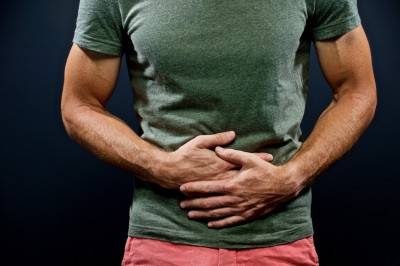
Did you know that more than 20% of French adults occasionally suffer from gastroesophageal reflux, and 10% experience it daily(1)?
Gastroesophageal reflux disease (GERD), acid reflux, or heartburn, is a very common condition, yet one that significantly impacts quality of life. A stabbing pain in the upper abdomen, heartburn, a sour taste in the mouth, and a scratchy throat—these are all symptoms that should raise a red flag.
In this article, learn about the causes, signs, complications, and various ways to reduce acid reflux.
What is gastroesophageal reflux disease (GERD)?
Gastroesophageal reflux occurs when some of the stomach’s contents “flow back” into the esophagus.
The stomach is a remarkable organ. This “pouch” contains nearly 1.5 liters of highly concentrated hydrochloric acid to maintain a pH of around 1 to 3 (the lower the pH, the more acidic the solution), whereas the rest of the digestive system—particularly the esophagus—has a neutral pH (around 7).
These highly acidic substances in the stomach are essential for proper digestion of food.
The stomach, lined with a special mucus, can withstand this acidity very well. In contrast, the lining of the esophagus is not designed for this at all and is unprotected. As a result, acid reflux causes inflammation of this lining.
Normally, an anti-reflux valve keeps stomach acid in the stomach and prevents it from entering the esophagus. GERD can be viewed as the result of this valve malfunctioning—opening at times when it should remain closed.
What Causes GERD?
For a long time, it was believed that reflux was a minor stomach disorder caused solely by eating habits, stress, or an unhealthy lifestyle.
Today, we know that gastroesophageal reflux is a neurologically based disorder. In fact, it is primarily linked to a dysfunction of the lower esophageal sphincter (the “valve” we mentioned earlier), specifically to inappropriate transient relaxations of this muscle(2).
This dysfunction is believed to be responsible for nearly 80% of GERD cases.
GERD can also be associated with a hiatal hernia (when part of the stomach protrudes above the diaphragm into the chest cavity), but conversely, a hiatal hernia does not always cause reflux.
While the causal mechanism is now well understood, we also know that a number of factors contribute to GERD:
- Pregnancy: for anatomical reasons, pregnant women are more prone to GERD;
- Being overweight, which, like pregnancy, contributes to increased pressure in the abdomen;
- Alcohol;
- Irregular meals, or meals that are too fatty or too large;
- Taking certain medications (such as nonsteroidal anti-inflammatory drugs, progesterone, nitrates, or calcium channel blockers...);
- Smoking;
- Excessive stress.
What are the signs of GERD?
Gastroesophageal reflux disease can cause many symptoms. The first things that come to mind, of course, are a bitter or sour taste in the mouth and chest pain.
However, other symptoms may also appear:
- A burning sensation and pain on an empty stomach;
- A constant, painful feeling of hunger;
- Indigestion, a heavy feeling in the stomach;
- Bloating;
- Nausea;
- Loss of appetite.
When reflux becomes chronic, symptoms beyond the digestive system may occur:
- Chest tightness after meals;
- Muscle tension;
- Constipation;
- Hair loss;
- Dry throat;
- Difficulty swallowing, sore throat (“pseudo-angina”);
- A dry, recurring cough, especially at night;
- Chronic ear and/or sinus pain;
- Tooth wear.
Rapid weight loss, extreme fatigue, or black stools should prompt you to seek medical attention for a diagnosis.
You should also be vigilant about chest pain and a feeling of tightness in the chest. While these may be signs of acid reflux, they can also be symptoms of serious and urgent conditions such as a heart attack or pulmonary embolism, which require prompt medical evaluation.
What are the complications of GERD?
Not only does reflux, due to its many symptoms, significantly impair the quality of life of people who suffer from it chronically, but it can also have a number of consequences:
- Superficial ulcers of the esophagus (erosive esophagitis);
- Deeper ulcers;
- Narrowing of the esophagus;
- Barrett’s esophagus;
- Esophageal cancer
Reflux should therefore never be taken lightly, and if you are prone to it, you should know how to take steps to relieve and prevent it so that it does not become chronic.
How to Prevent Gastroesophageal Reflux?
“Prevention is better than cure.” Preventing and relieving gastroesophageal reflux involves following certain lifestyle and dietary guidelines that help limit the need for medication.
Good Habits to Combat Heartburn
To effectively combat reflux, you’ll need to make a few changes to your habits.
- Eat smaller, more frequent meals and take your time. Chew your food thoroughly and avoid chewing gum.
- Wait at least two hours after dinner before going to bed, as lying down after eating can worsen GERD symptoms. Prop your pillow up slightly when sleeping.
- Avoid tight-fitting clothing that can put pressure on your abdomen, especially during meals and digestion.
- Try to manage your stress more effectively: relaxation and breathing techniques, yoga, and cognitive behavioral therapy are all valuable tools. A course of magnesium may also be helpful in breaking the vicious cycle of stress that could contribute to chronic reflux.
- Engage in regular physical activity. Sedentary people are often more affected by GERD. However, don’t go to the other extreme. Intense exercise tends to disrupt the proper functioning of the digestive system.
- Quit smoking.
- Monitor your alcohol consumption.
- If you’re overweight, try to lose a few kilos.
Medical Interventions
If chronic symptoms are disrupting your daily life, you can seek help from a healthcare professional. A pH test or endoscopy can be performed by inserting a small probe into the nostril. In some patients, the device is inserted through the mouth. This will allow for a more accurate diagnosis.
In some cases, surgery may be the best option. Nissen fundoplication is a surgical procedure that treats gastroesophageal reflux disease (GERD) as well as hiatal hernia.
The Anti-Reflux Diet
Diet is, of course, central to preventing and reducing inflammation associated with gastroesophageal reflux.
1. Adopt a protective diet
Focus on fruits and vegetables. Not only is eating them associated with a lower risk of GERD, but their content of antioxidants, fiber, vitamins, and alkalizing minerals helps the esophagus better resist acid.
So be sure to include fruits and vegetables—raw or cooked—at every meal to take advantage of their protective effects. Choose the most colorful ones, as they contain more antioxidants.
Also consider whole grains and legumes, which can help combat constipation—a condition that may worsen reflux.
2. Promote Adequate Saliva Production
Digestion begins in the mouth through chewing and saliva. Saliva contains compounds that naturally protect the lining of the esophagus. That is why it is important to produce enough of it.
To do this:
- Avoid carbonated beverages, which distend the stomach and can worsen reflux
- Do not drink alcohol
- Drink enough water (and opt for still mineral water and herbal teas).
- Take the time to chew your food thoroughly.
- Suck on sugar-free candies or chew sugar-free gum to stimulate the salivary glands.
3. Limit irritating foods
Certain foods tend to promote or worsen reflux, so it’s best to eliminate or, at the very least, limit:
- Acidic foods and beverages (citrus fruits, tomatoes, vinegar, lemon juice, etc.) that irritate the esophagus;
- High-fat foods that tend to trigger reflux;
-
Animal-based foods, which increase reflux;
- Canned foods and beverages, which tend to worsen certain symptoms associated with GERD, such as bloating and indigestion.
In practice, the Mediterranean diet appears to be a good model to follow to combat reflux.
Dietary Supplements
Certain dietary supplements can provide valuable support.
Probiotics
Gastroesophageal reflux is exacerbated by increased intra-abdominal pressure, particularly by bloating, which is often caused by excessive fermentation. However, this fermentation is most often caused by an imbalance in the gut microbiota and a significant overgrowth of “bad” bacteria.
Therefore, taking probiotics helps rebalance the microbiota in favor of “good” bacteria, which play a key role in ensuring proper digestion. The Maxi-Flore Confort+ complex contains four strains of probiotics, as well as vitamin B2 and vitamin D3. If you experience bloating, you can supplement your regimen with Maxi-Clean Detox & Gut Health.
Glutamine
Glutamine is an amino acid known for its anti-inflammatory properties. It helps reduce inflammation in the esophageal lining. More broadly, it promotes digestive comfort, which is often disrupted in people with reflux.
It is recommended to take supplements for 1 to 3 months, combining them with probiotics for optimal results.
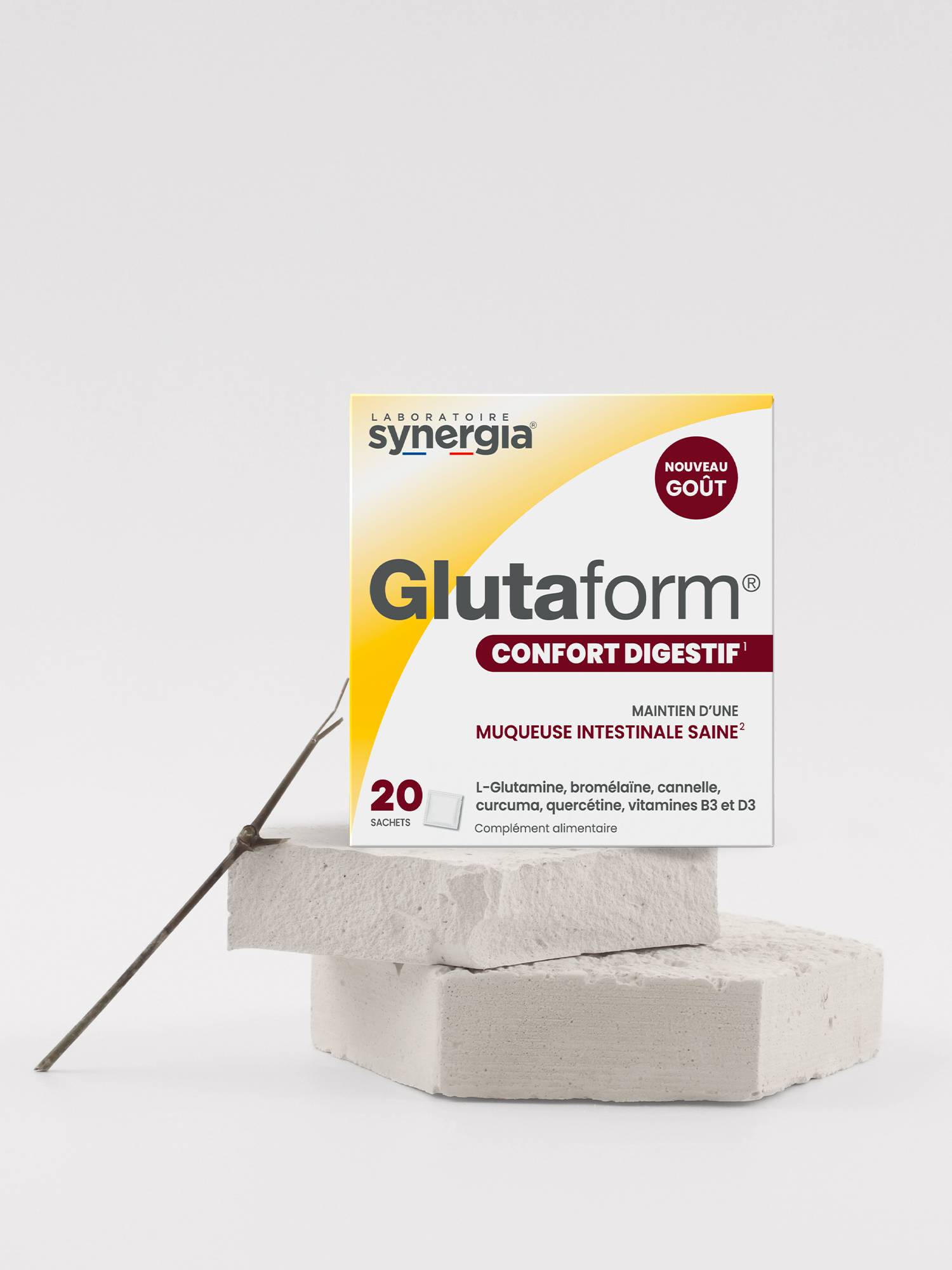
Formulas containing cinnamon and turmeric, such as Glutaform Digestive Comfort, are preferable because the soothing effect of glutamine is maximized by the effects of these two plants, which also have anti-inflammatory properties.
Herbal Medicine
Artichoke, known for stimulating the liver and gallbladder, aids in the secretion of gastric juices when there is a digestive deficiency. Its action helps correct excessive acidity and address dysfunction of the gastroesophageal sphincter.
Lemon balm, for its part, has anti-inflammatory, digestive, and soothing effects. It is therefore useful for alleviating mucosal burns caused by reflux. Furthermore, its relaxing properties are particularly beneficial for those whose GERD is exacerbated by stress.
Gastroesophageal reflux is so common that many people sometimes take it lightly. This is unfortunate because the chronic form is not only highly debilitating but can also develop into serious conditions. It is therefore essential not to let it take hold and to act quickly.