-
Your needs
SHOP NOWFROM JULY 23 TO AUGUST 31VENOUS CIRCULATION20% off on Organic Horse Chestnut SIPF - for healthy blood circulation every day!
-
Stress and sleep
-
Digestive sphere
-
Tonus & vitality
-
Circulation and cardiovascular system
-
Bones & joints
-
Well-being & beauty
SHOP NOWFROM JULY 23 TO AUGUST 31VENOUS CIRCULATION20% off on Organic Horse Chestnut SIPF - for healthy blood circulation every day! -
- Special offers
- D-Stress range
-
Stress and sleep
-
Digestive sphere
-
Tonus & vitality
-
Circulation and cardiovascular system
-
Bones & joints
-
Well-being & beauty
Recommended for you
-10%
off your
next order
Sign up to our newsletter and receive a promotional code for a 10% discount, to be used on the entire website when you place your next order.
By validating, I agree to receive the Synergia newsletter.
We undertake never to communicate
your
email address to third parties.
Cardiovascular system
Active filters
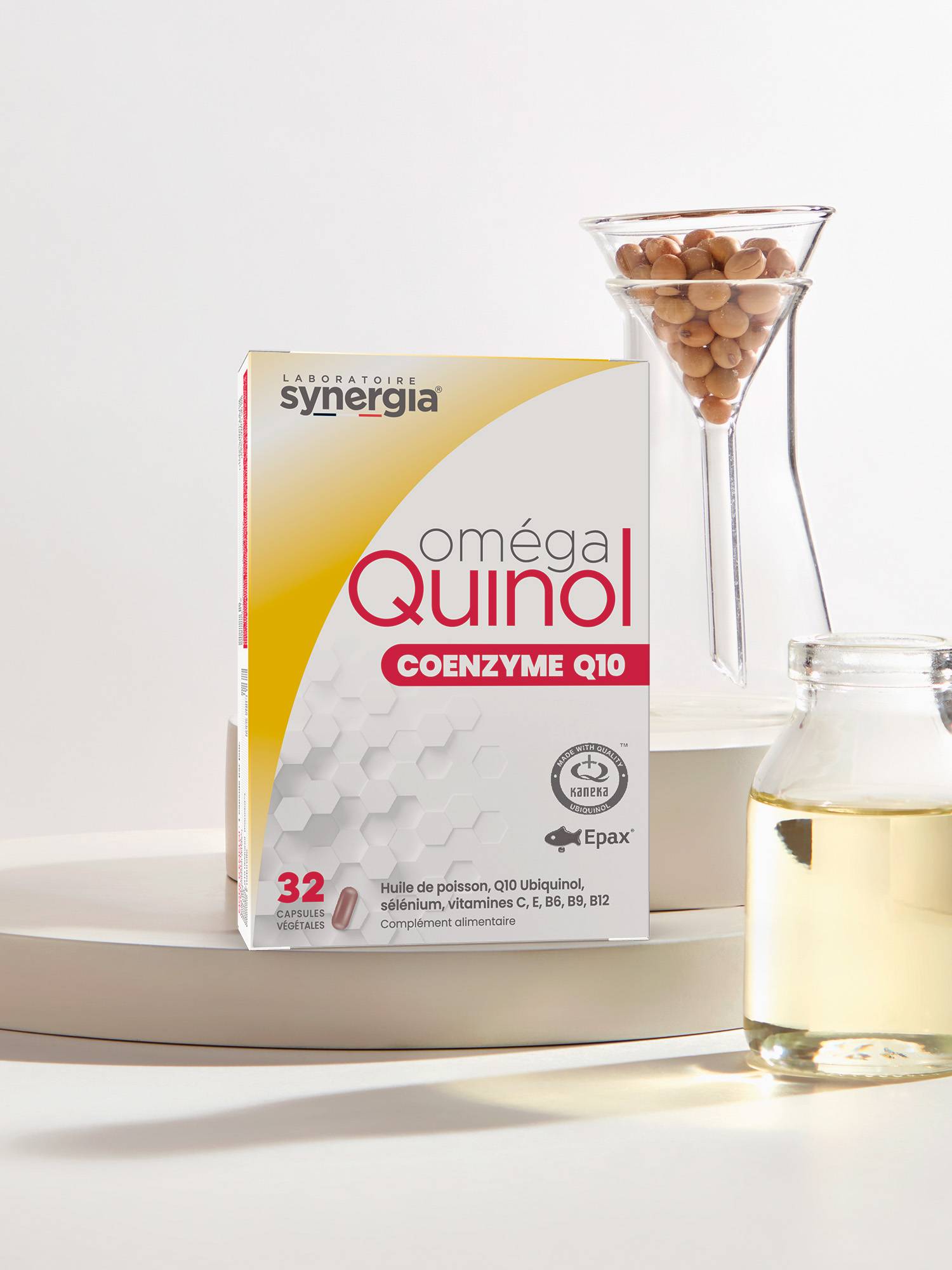
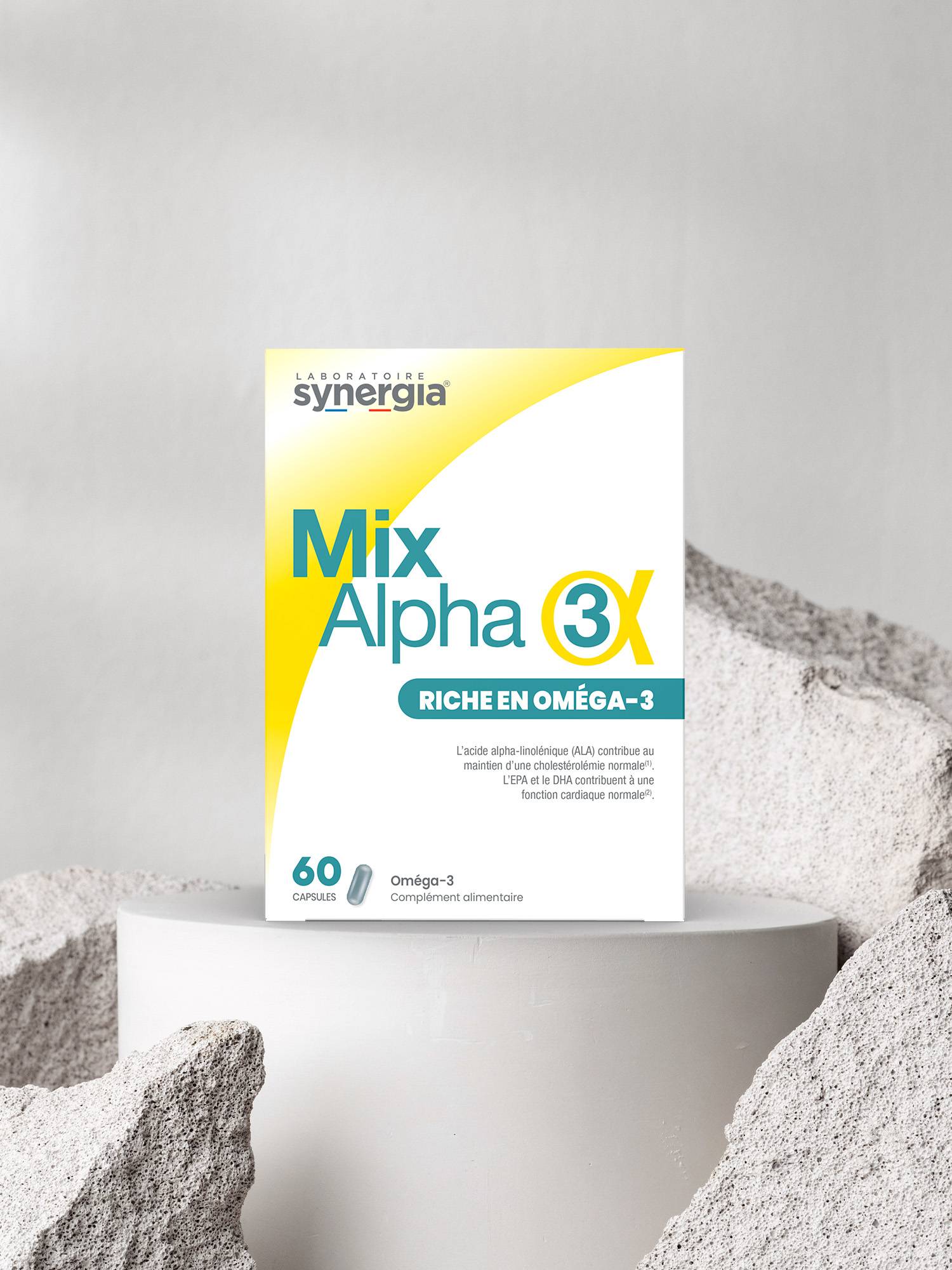
In the world of heart-healthy supplements, the most recognized active ingredients are omega-3 fatty acids, coenzyme Q10, vitamins, and minerals. You'll find many of these essential elements in our Mix-Alpha 3 and Omega Quinol supplements, available in a 1- or 2-month program.
How to choose a heart-healthy supplement?
To maintain good cardiovascular health and normal heart function, dietary supplements are a real asset. They complement the diets of people at risk, helping to protect the cardiovascular system.
Heart-healthy ingredients
Heart-healthy supplements often contain omega-3 fatty acids (DHA and EPA) and coenzyme Q10.
At Synergia, we use omega-3 fatty acids (DHA and EPA) derived from fish oils, which contribute to normal heart function. We also use coenzyme Q10, an antioxidant compound that helps with cellular energy production, which decreases over time and leads to a loss of heart muscle tone. By promoting energy production and reducing the damage caused by oxidative stress, coenzyme Q10 helps maintain normal heart function.
Our Heart Health Supplements
Synergia Laboratories offers two formulas for normal heart function:
- Mix-Alpha 3 is a synergistic blend of omega-3 fatty acids (ALA, EPA, and DHA) that contribute to maintaining normal cholesterol levels and heart function, and vitamin E, which protects fats from oxidative stress. 60 capsules.
- Omega Quinol combines coenzyme Q10 and omega-3 fatty acids EPA and DHA, which contribute to normal heart function, with vitamins including B6, B9, and B12, which participate in the normal metabolism of homocysteine (a cardiovascular risk factor). 32 capsules.
To choose the best heart health supplement for your needs, you may wish to consult a healthcare professional beforehand.
How to preserve your heart function?
A healthy lifestyle can help limit cardiovascular risks. Indeed, many risk factors are linked to our daily lives.
- A balanced diet is an excellent preventative measure because it helps protect the body from excess cholesterol and blood sugar, and combats overweight and obesity, two major risk factors for metabolic and cardiovascular disorders. Ensure you get enough omega-3 fatty acids and antioxidants. To do this, you can adopt the Mediterranean diet, one of the healthiest and most balanced diets, and combine it with heart-healthy supplements, which provide all the necessary nutrients to maintain normal cardiovascular function.
- Stop smoking and drinking alcohol, which have a detrimental effect on cardiovascular health.
- Reduce exposure to chronic stress, which leads to an increase in cortisol secretion, blood pressure, and cholesterol and triglyceride levels, all known to be cardiovascular risk factors. To cope, engage in relaxing activities, play sports, and consume magnesium and adaptogenic herbs that increase the body's resistance to stress.
- Physical activity is key to preventing cardiovascular risks, as it affects the majority of cardiovascular risk factors: excess weight, sleep, stress, poor blood circulation, etc.
- Sufficient, quality sleep is also essential: restless or irregular sleep increases cortisol levels and promotes the formation of atherosclerotic plaque on vein walls. It also disrupts hunger and satiety signals, which promotes weight gain, as well as hormone levels that can impact the regeneration of the nervous, digestive, and cognitive systems.